
- 1161 E Kimberly Rd #A Davenport, IA 52807
- (563) 265-0777
- Send Us A Text
- Email Us
If you have a fridge that’s been running since the early 2000s or a washing machine that’s been with you for decades, you might think you’re saving money by avoiding a replacement. But the truth is, those older appliances could be costing you far more than you realize. From higher utility bills to expensive repairs, the “cheap” choice of holding onto old appliances often comes with hidden costs.
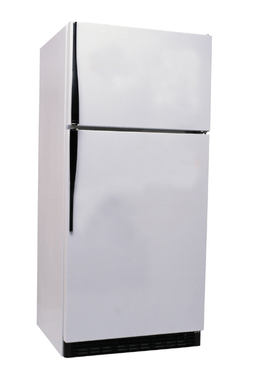
Appliances made 10, 15, or even 20 years ago were built before today’s strict energy efficiency standards. A 20-year-old refrigerator, for example, can use twice as much electricity as a new Energy Star–rated model. That difference could mean hundreds of dollars more each year on your electric bill.
Example:
Multiply that over the life of the appliance, and you’re looking at a serious hit to your wallet.
As appliances age, parts wear out and become harder to find. Even if you can track down replacement parts, the repair costs can quickly add up—especially if you’re calling a technician multiple times a year.
A good rule of thumb: if a repair costs more than 50% of the price of a new appliance, it’s probably better to replace it.
Older appliances often don’t work as efficiently as they once did.
These inefficiencies waste more than just money—they waste your time.
If your washing machine or dishwasher is over a decade old, it’s likely using far more water than necessary. A modern dishwasher can use as little as 3 gallons per load, while older models may use up to 10 gallons. That’s not only bad for the environment, but it also adds to your water bill.
An older appliance can fail without warning, leaving you scrambling to replace it. This often means paying full price with no time to shop for deals, which makes the cost sting even more.
Worn-out wiring, faulty seals, or outdated technology can make old appliances a fire hazard or pose other safety risks. Newer appliances have better safety features and meet updated manufacturing standards.
If you’re on the fence about replacing an old appliance, ask yourself:
If you answered “yes” to higher bills, frequent repairs, or poor performance, it’s probably time to replace.
Holding onto an outdated appliance might feel like you’re saving money, but in the long run, the higher operating costs, wasted resources, and potential repair bills can outweigh the price of buying new. Upgrading to an energy-efficient model could save you hundreds—or even thousands—over its lifetime.