
- 1161 E Kimberly Rd #A Davenport, IA 52807
- (563) 265-0777
- Send Us A Text
- Email Us
Your refrigerator runs quietly in the background every day, keeping food fresh, drinks cold, and leftovers safe. But have you ever stopped to wonder how a refrigerator works? While the process might sound complicated, the basics of a refrigeration system are surprisingly easy to understand.
Refrigerators don’t actually “make things cold” — instead, they remove heat from inside the unit and release it outside. This transfer of heat is what keeps your food chilled.
To understand how it all works, let’s look at the key parts of a standard refrigeration system:
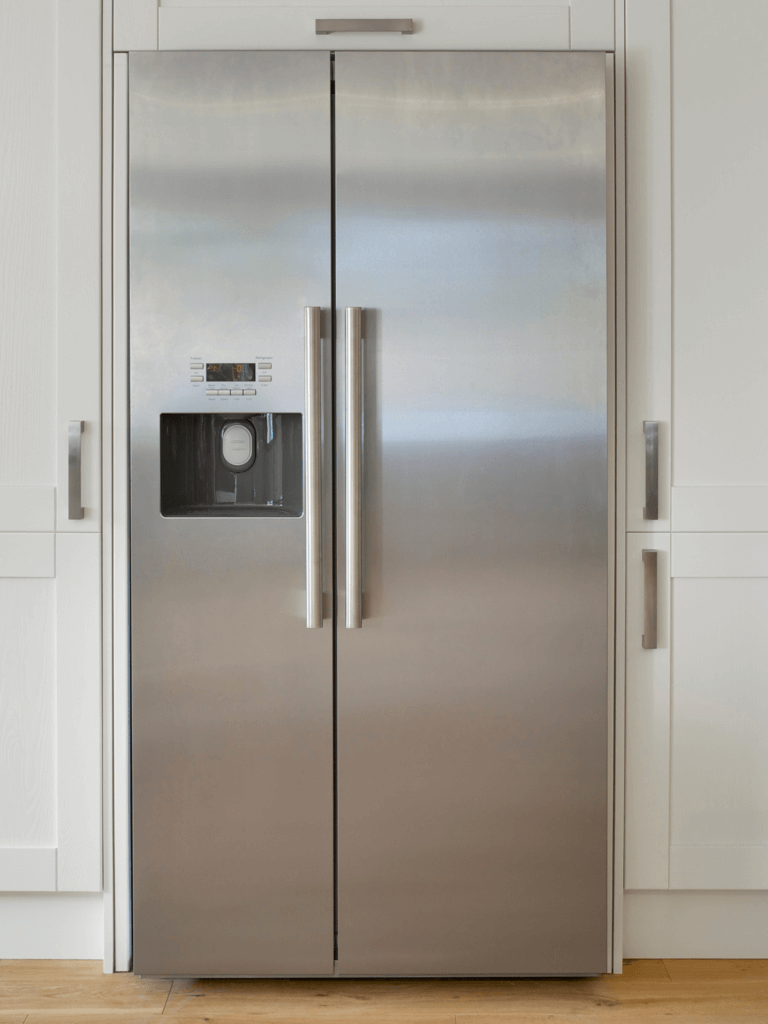
Here’s a simplified breakdown of the cooling process:
Knowing how your refrigerator works can help you spot early signs of trouble. For example:
By understanding the basics, you’ll know when a simple cleaning is enough — and when it’s time to call a professional for repairs or consider a replacement.
Refrigerators may seem like everyday appliances, but the science behind them is fascinating. Understanding how your fridge moves heat and keeps food cold can help you spot issues early and maintain it properly. And if it’s time for a new refrigerator—or any other appliance—you can shop high-quality, discounted options at Discount Appliance Davenport, all backed by their one-year warranty.