
- 1161 E Kimberly Rd #A Davenport, IA 52807
- (563) 265-0777
- Send Us A Text
- Email Us
If your refrigerator seems like it never shuts off, you are not alone. Many homeowners worry when they hear their fridge running constantly, especially if energy bills are climbing. Sometimes it is normal. Other times, it is a sign that something is wrong.
There are situations where a refrigerator may run more than usual without there being a problem.
Common examples include:
In these cases, the appliance is simply working harder to keep temperatures stable.
Condenser coils release heat from the refrigerator. When they are covered in dust or pet hair, the fridge has to run longer to cool properly.
Cleaning the coils once or twice a year can significantly improve efficiency and reduce run time.
When food blocks vents inside the fridge, cold air cannot circulate evenly. This causes temperature sensors to think the fridge is warmer than it is, forcing the compressor to run longer.
Keeping items spaced out helps airflow and improves performance.
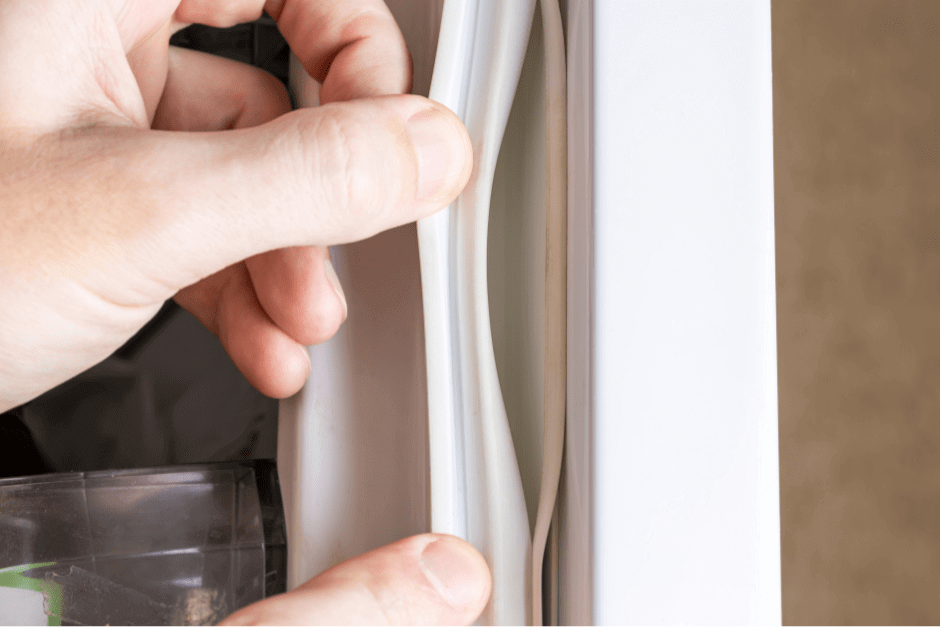
A damaged or loose door gasket allows warm air to leak inside. The refrigerator compensates by running longer to maintain the temperature.
If you notice condensation, frost buildup, or the door not sealing tightly, the gasket may need attention.
Setting the refrigerator colder than necessary will make it run longer than needed. Most refrigerators perform best when set between 37 and 40 degrees.
Lower settings do not keep food fresher. They only increase run time and energy use.
If none of the simple fixes solve the issue, the problem may be mechanical. A failing thermostat, temperature sensor, or compressor can cause nonstop running.
These issues are more common in older refrigerators and often signal that replacement may be the better option.
You should look deeper into the issue if:
A refrigerator running all the time is not always a problem, but it should not be ignored. Regular cleaning, proper organization, and correct settings can prevent unnecessary wear. When constant running continues despite these steps, it may be time to consider repair or replacement.