
- 1161 E Kimberly Rd #A Davenport, IA 52807
- (563) 265-0777
- Send Us A Text
- Email Us
If your washer and dryer are set up in a basement, you’re not alone. It’s a common choice, especially in older homes around the Quad Cities. However, basements tend to have one big downside: humidity. Over time, excess moisture can take a toll on your appliances, causing rust, mold, electrical issues, and more.
The good news? A few simple steps can help protect your investment and keep everything running smoothly.
High humidity levels mean there’s more moisture in the air. That might not seem like a big deal at first, but over time it can:
One of the easiest and most effective ways to protect your appliances is by running a dehumidifier in your basement. Aim for keeping humidity levels between 30%–50%. Some dehumidifiers even have built-in hygrometers so you can monitor conditions in real time.
Make sure your washer and dryer aren’t pushed up against walls. Leaving a few inches of space improves airflow, reduces trapped moisture, and makes it easier for machines to vent properly.
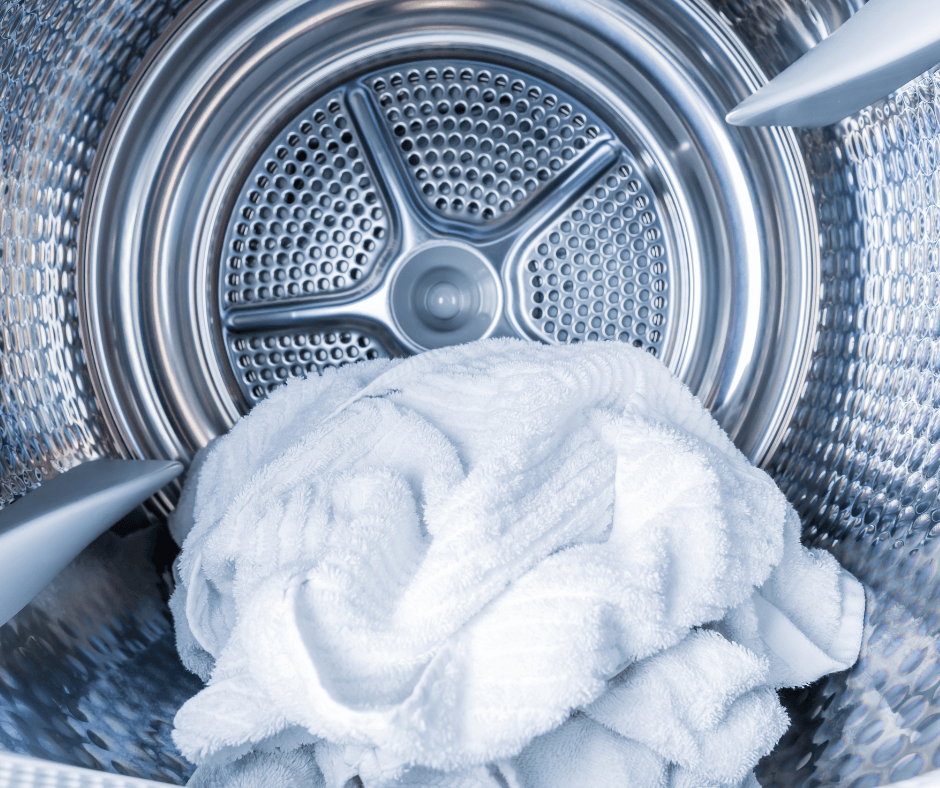
If your dryer vent gets clogged, it’ll push warm, moist air back into the basement. That not only increases humidity, but also becomes a fire hazard. Clean the lint trap after every load, and check the exterior vent regularly to make sure it’s not blocked.
Front-load washers are especially prone to mold buildup if they’re constantly sealed shut. After doing a load, leave the washer door open to let the drum and seals dry out completely.
If you’re seeing water droplets forming on basement walls or pipes, that’s a sign humidity is too high. Insulating exposed pipes and running a fan can help reduce moisture buildup.
If possible, place your appliances on pallets or small risers. This keeps them away from standing water in case of a small flood or leak, and helps reduce contact with cold, damp concrete.
Take a few minutes once a month to inspect hinges, cords, hoses, and vents. Catching small issues early (like surface rust or brittle wiring) can help you avoid major repairs down the road.
Stop by our store or give us a call. We’ll help you find something that fits your space, your needs, and your budget.